
India’s climate supports different farming seasons, and one of the most important among them is the Rabi Season, which lasts from November to April. The word “Rabi” means “spring,” because crops are sown in winter and harvested in the spring.
Rabi crops are sown after the monsoon rains have ended, usually in October and November, when the soil retains enough moisture for seed germination. These crops grow during the cool winter months, making them less dependent on heavy rainfall. Instead, they rely on irrigation from canals, wells, and tube wells, along with occasional winter showers. The cool temperatures and clear skies during this season create ideal conditions for healthy crop growth.
For JK Krishi and for farmers across the country, this season plays a major role in improving crop production, income, and soil health.
Major Crops Grown in the Rabi Season
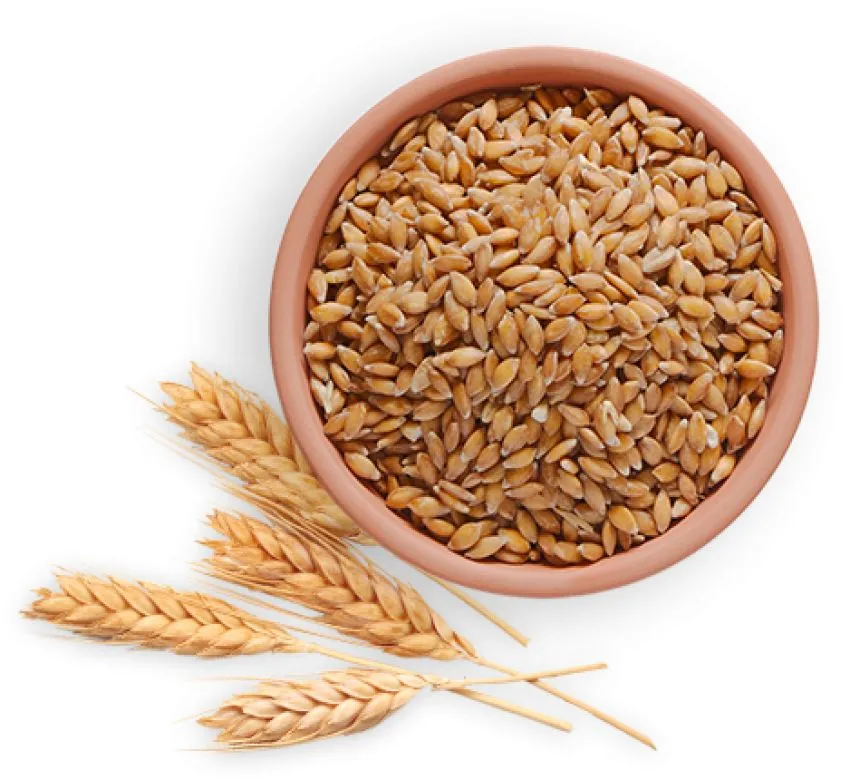
The Rabi season is perfect for crops that grow well in cooler temperatures. Some of the main Rabi crops are:
1. Wheat –
The most important Rabi crop in India.
Large wheat production happens in Punjab, Haryana, Uttar Pradesh, and Madhya Pradesh.
Cool weather makes wheat grow perfectly.
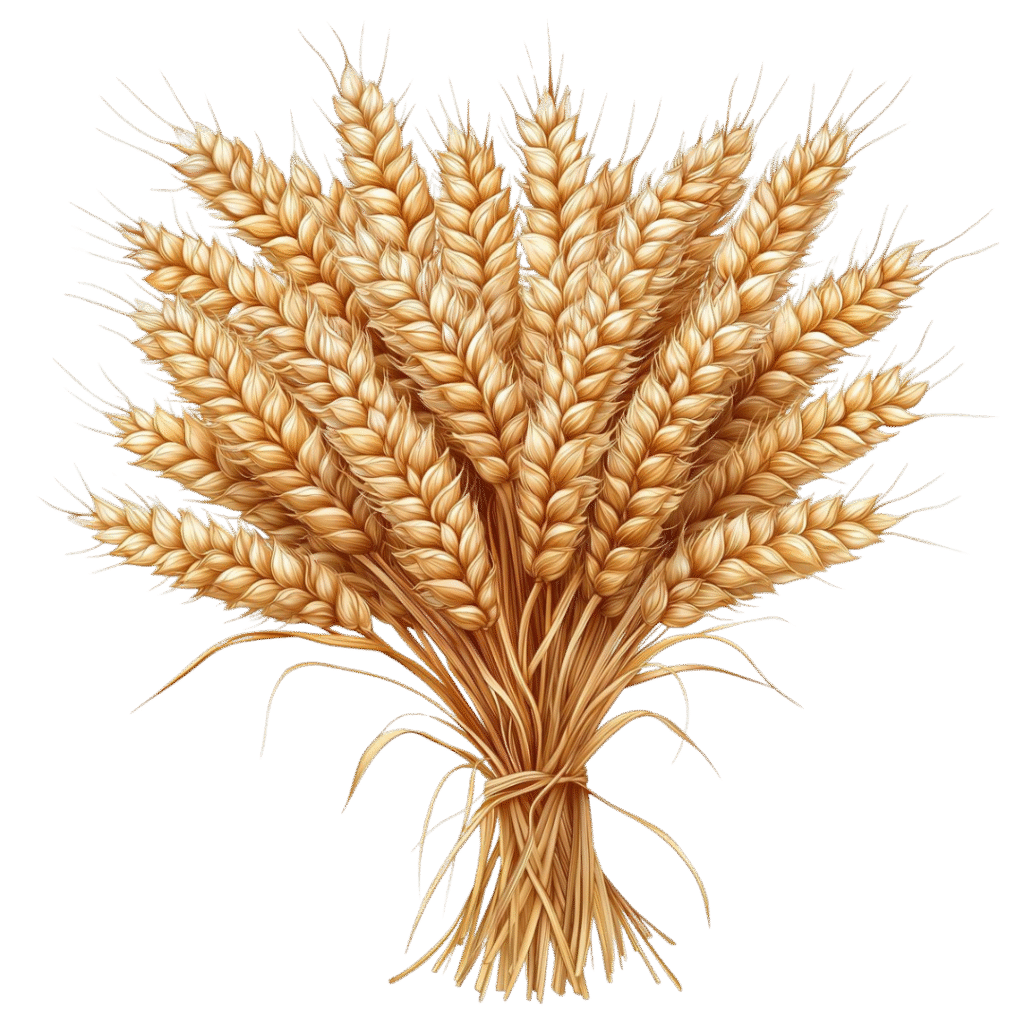
2. Barley
Grows well in cold regions.
Used for food, animal fodder, and the brewing industry.
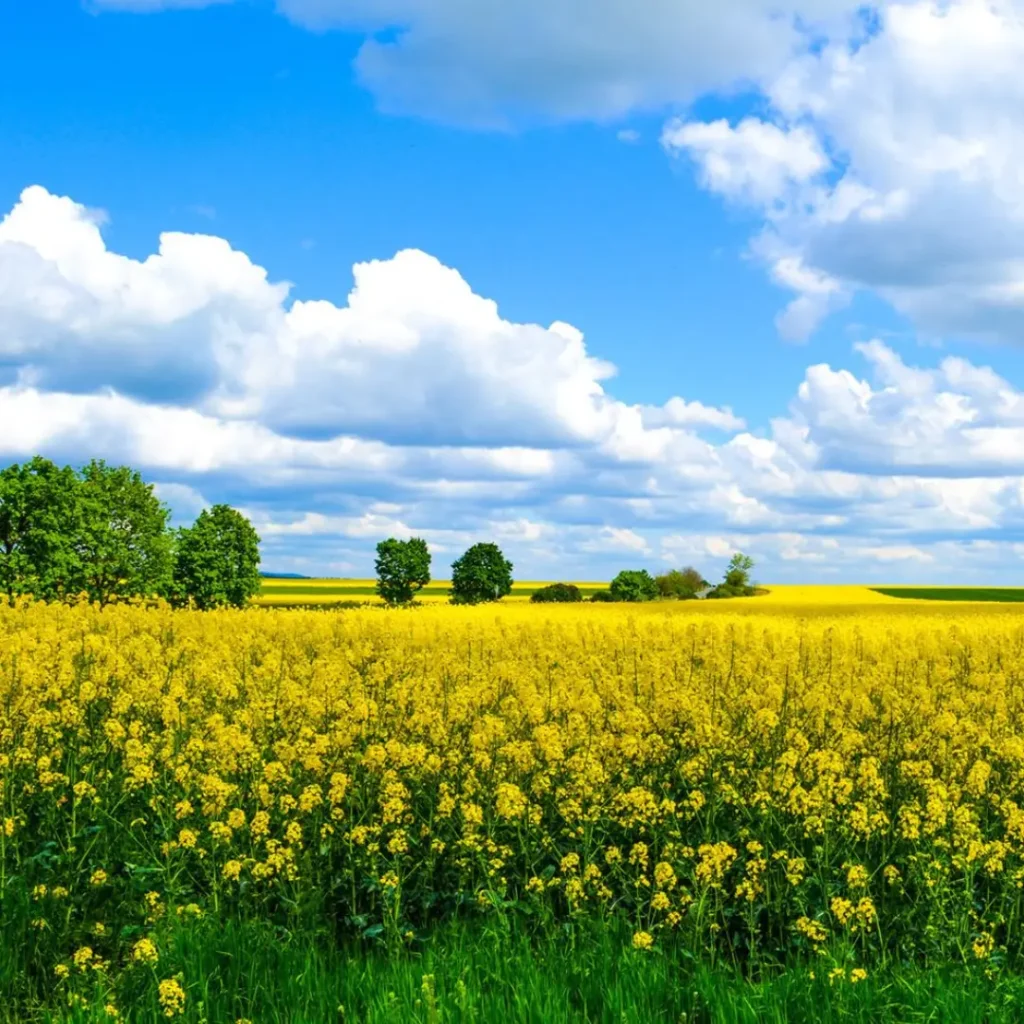
3. Mustard
A major oilseed crop of the Rabi season.
Large-scale production takes place in Rajasthan, Uttar Pradesh, and Madhya Pradesh.
4. Lentils
Another important pulse crop that provides essential protein and nutrients.
Why the Rabi Season Benefits Farmers
Rabi season offers several advantages for farmers:
1. Multiple Income Sources
Farmers can grow different crops, helping them earn steadily and reduce financial risk.
2. Improved Soil Health
Many Rabi crops have deep roots, which help improve soil structure and increase fertility.
3. Less Water Needed
Rabi crops usually require less water than Kharif crops, making them ideal for areas with limited water.
4. Supports Food Security
Staple crops like wheat and barley grown during Rabi help maintain India’s food supply throughout the year.
5. Feed for Livestock
Crops like barley and chickpeas are used as fodder, benefiting dairy and animal farming.
6. Better Crop Rotation
Rabi crops fit well into crop rotation patterns, helping prevent pests and diseases.
Challenges During the Rabi Season
Farmers face some challenges too:
Unexpected weather like frost, extreme cold, or untimely rain.
High cost of seeds, fertilizers, and pesticides.
Market price fluctuations, which affect farmers’ income.
Conclusion
The Rabi season is a key part of India’s agricultural system. Crops like wheat, mustard, gram, and lentils not only strengthen food security but also support farmers’ livelihoods.
At JK Krishi, our aim is to help farmers with the right knowledge, high-quality products, and modern farming solutions to make their Rabi season successful and profitable.